Day of Mourning
How the Memory Is Honoured
20 January in Azerbaijan is the Day of National Mourning. On this day state flags are lowered to half-mast, entertainment events are cancelled, and the whole country remembers those who died in January 1990.
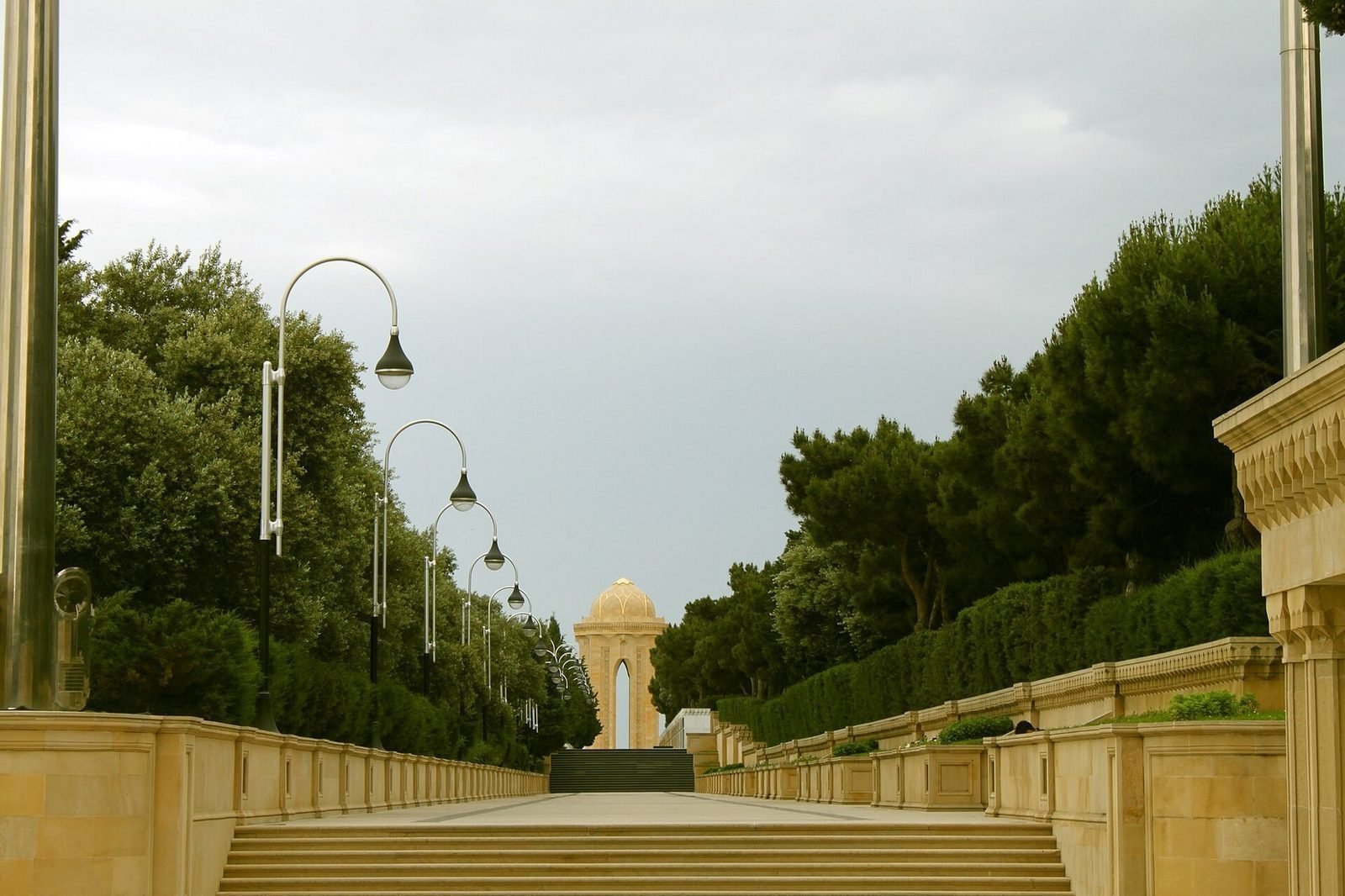
Thousands of people climb to the Alley of Martyrs to lay red carnations on the black granite of the graves. The memory of the martyrs unites generations: those who remember that night and those born many years later come here alike.
Traditions of Remembrance
20 January in Azerbaijan
Minute of Silence
At noon the country falls still in a minute of silence in memory of the victims. People stop and bow their heads — a single gesture of mourning from Baku to the most distant regions.
Red Carnations
The red carnation has become a symbol of Black January. They are brought by the thousands to the Alley of Martyrs and laid on the granite — a flower of blood, memory and dignity.
Eternal Flame
Above the Alley of Martyrs an eternal flame burns beneath a white marble rotunda facing Baku Bay. Its flame is a symbol of the undying memory of the fallen.
The Alley of Martyrs
The country's main memorial. Rows of black granite bearing the names and portraits of the martyrs look out over the sea; people come here to honour their memory on days of mourning and on great anniversaries.
Horns and Sirens
The minute of mourning is marked by sounding horns: cars, ships in the port and trains all signal. In that moment the voice of the city becomes a shared requiem.
The Whole Country
Memorial ceremonies are held not only in Baku but across the republic and in Azerbaijani communities abroad — Black January is remembered everywhere Azerbaijanis live.
The Vow
The Martyrs Are Not Forgotten
The memory of Black January is a promise the country makes to itself: not to forget the names and not to betray the price paid for freedom. Every carnation on the granite is a "we remember" spoken without words.
"Şəhidlər unudulmaz" — Martyrs are not forgotten.
Day of National Mourning · 20 January